


Matías Colombo, president of the Samaná Hotel and Tourism Companies Association, says the destination continues to experience steady growth, supported by expanding tourism demand and new development.
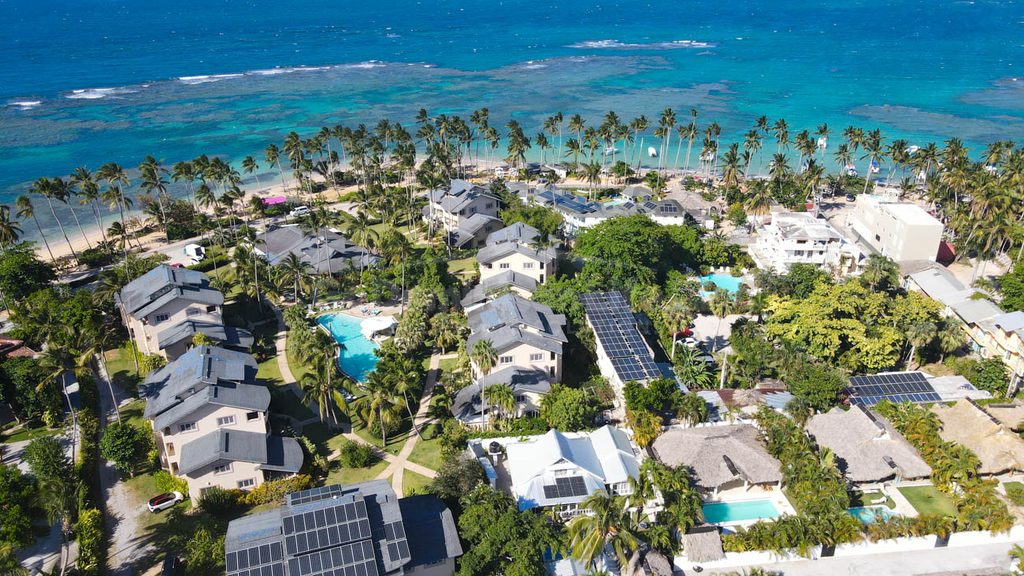
The tourism and real estate sectors in Samaná and Las Terrenas continue to experience steady growth, supported by new developments, expanding accommodation options, and the upcoming arrival of additional hotel brands. According to Matías Colombo, board member of the Samaná Hotel and Tourism Companies Association and the Samaná Tourism Cluster, several significant projects have already been announced and are expected to further strengthen the region’s tourism offering.
Speaking during the opening of the Dominican Annual Tourism Exchange (DATE), Colombo emphasized the diversity that distinguishes the destination, combining rivers, beaches, and mountains within one region. He also pointed to the warmth of the local community and the quality of properties available throughout Samaná as important factors behind its continued appeal to travelers, residents, and investors.
Colombo also addressed concerns surrounding reports that circulated during the recent Holy Week period in Las Terrenas, which suggested that unusually large crowds had negatively affected the destination’s family-oriented atmosphere. Based on his own experience in the area during the holiday, he said those reports did not fully reflect conditions on the ground and noted that he was able to move around town normally.
“This has been one of the best Holy Weeks we’ve had,” Colombo said. While acknowledging the lively nighttime celebrations traditionally associated with the holiday, he described them as part of “Dominican folklore” rather than something unique to Las Terrenas.
Colombo also addressed whether additional measures may be needed as visitor numbers continue to grow. He noted that strong controls were already implemented, while acknowledging that managing a destination during periods of exceptionally high demand requires ongoing adjustments. Looking ahead, he suggested that operations could be further refined next year to improve organization and the overall visitor experience.
As Las Terrenas continues to gain visibility, Colombo described some of the challenges associated with attracting a broader range of visitors as “the price of fame.” He acknowledged that increased popularity can occasionally bring audiences that do not fully align with the destination’s desired profile, but expressed confidence that measures being coordinated by local authorities, the Ministry of Tourism (MITUR), and the national government will help manage that growth while preserving the character and positioning of the destination.
Real Estate Development Progress
Alongside tourism growth, real estate development across Las Terrenas and Samaná continues to move forward, supported by regulatory oversight and permitting processes. Colombo noted that the institutions responsible for approvals and compliance are actively monitoring development throughout the region. He described the current pipeline as one that “has not stopped,” with high-quality projects contributing to the area’s growing appeal for residents, visitors, and investors alike.
On the hospitality side, Colombo estimated that the destination currently offers more than 4,000 hotel rooms, with approximately 2,000 additional rooms expected to be added in the coming years. This significant expansion could also generate greater activity for the region’s airport and strengthen overall connectivity. At the same time, he emphasized that growth must remain responsibly managed, with structural and environmental reviews continuing to evolve alongside new development.
Visitor Arrivals
Canada remained the dominant international market during the winter season, accounting for an estimated 70% to 80% of visitor traffic, according to Colombo. The remaining demand came from a diverse mix of travelers from the United States, South America—including Argentina and Chile—the domestic market, Spain, and other European countries, highlighting the increasingly international profile of Samaná and Las Terrenas.

Looking ahead, Colombo identified air connectivity as one of the key opportunities for supporting further tourism growth. He noted that additional charter and commercial flights could help unlock more of the region’s potential, particularly as the local airport is currently operating at less than 20% of its capacity. The terminal, he said, is already equipped to accommodate greater traffic, although future improvements will need to keep pace with rising demand.
Road connectivity is also advancing alongside this expansion. Colombo pointed to ongoing government infrastructure works, including the recently inaugurated entrance to Samaná, while emphasizing the importance of continued public-private collaboration. With additional projects already under consideration, stronger air and ground connections could become an important part of supporting the next stage of growth across Samaná and Las Terrenas.
Source: www.acento.com.do


